
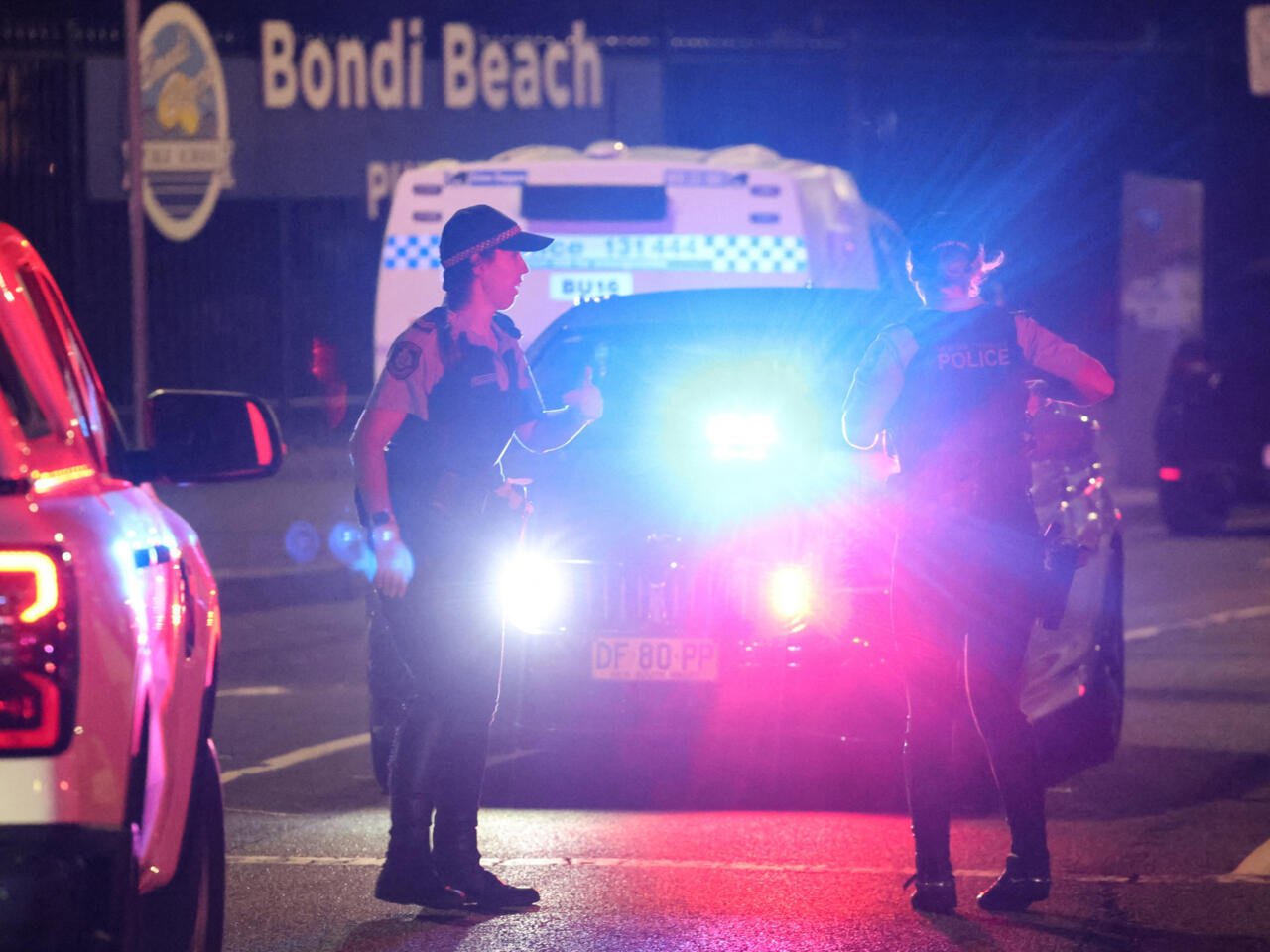
On the evening of December 14, 2025, the famous Bondi Beach in Sydney, Australia — known around the world for its golden sand, surfing and relaxed atmosphere — became the scene of one of the darkest days in recent Australian history. A mass shooting at Bondi Beach broke out during a Hanukkah celebration, killing and injuring dozens and shocking the global community. Authorities have since declared the incident a terrorist attack motivated by antisemitism. This tragic event has since been referred to as the Bondi Beach Shooting. The Bondi Beach Shooting has left a profound impact on the community, and its echoes will be felt for years to come.
What Happened at Bondi Beach?
On Sunday evening, crowds were gathered near Campbell Parade, a bustling area just behind Bondi’s main beach, to celebrate Chanukah — the Jewish Festival of Lights — with friends, family, and community members. It was a warm summer evening, with people enjoying music, food and the end of a peaceful weekend.
Witnesses to the Bondi Beach Shooting have shared their harrowing accounts, illustrating the fear and confusion that gripped the area.
The Bondi Beach Shooting has sparked conversations about community safety and the prevention of future tragedies.
At about 6:47 p.m. local time, two men armed with long guns suddenly opened fire toward the crowd near the event. The bullets came without warning, turning what should have been a peaceful celebration into sheer chaos. People screamed, ducked for cover, and ran in all directions as shots rang out.
Eyewitnesses later described a scene of terror — blasts peppering the air, families trying to escape, and people collapsing where they stood. Some mistook the initial shots for fireworks, until the loud, rapid cracks echoed again and again.
In the wake of the Bondi Beach Shooting, local authorities have been urged to increase safety measures during public events.
Casualties and Impact
The shooting quickly became one of the deadliest mass casualty incidents in modern Australian history. Police and health officials later confirmed:
- At least 16 people were killed, including children.
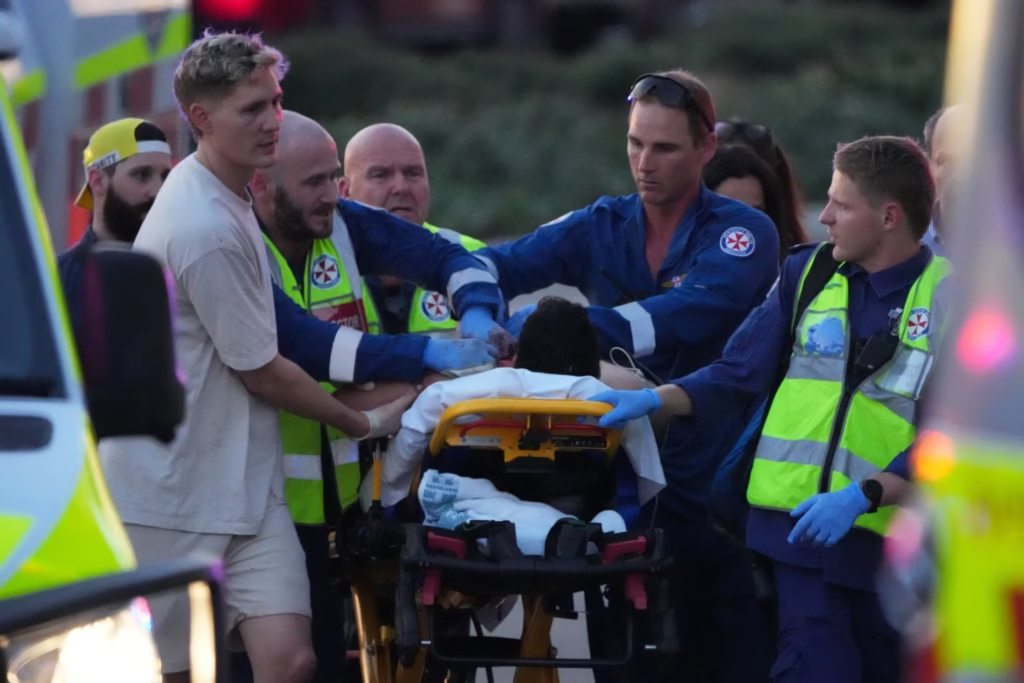
- More than 30 people were injured, with dozens rushed to hospitals in critical and serious condition.
- At least two police officers were among the injured.
One of the two gunmen was killed by police, while the second was wounded and taken into custody. Police later found an improvised explosive device (IED) in a vehicle linked to one of the attackers, which was safely removed by bomb disposal teams.
Australia’s Prime Minister Anthony Albanese called the attack a “targeted assault on Jewish Australians on the first night of Hanukkah,” adding that such violence had “no place in Australia.”
The Bondi Beach Shooting has not only shocked the local community but also drawn international condemnation from leaders around the world.
The events of the Bondi Beach Shooting will be remembered as a tragedy that changed the fabric of this vibrant community.
Where It Happened — A Peaceful Place Turned Terrifying
Bondi Beach is more than a scenic tourist destination. It is a center of community life in Sydney, a place families visit for picnics, surf lessons, weekend parties, and cultural events. On this day, hundreds had gathered at the “Chanukah by the Sea” event hosted by the local Jewish community — a tradition that brings warmth and rejoicing to one of the year’s most festive nights.
As the investigation into the Bondi Beach Shooting continues, many are calling for greater support for the victims and their families.
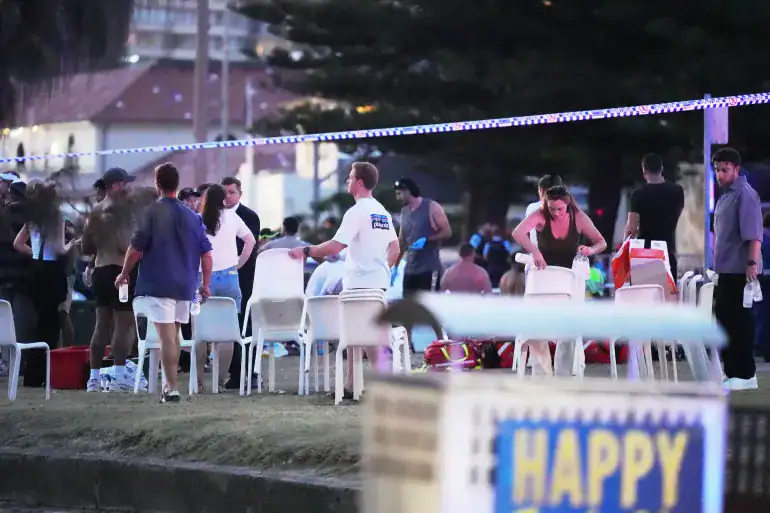
That peace was shattered in minutes, with gunshots echoing across the sand and people sheltering inside nearby cafes, shops and restaurants. Many took shelter in place, locking doors and hiding quietly while sirens and helicopters filled the air.
Heroic Acts Amid Chaos
Even amid the horror, there were moments of bravery and humanity.
One remarkable scene captured on video showed a civilian tackling one of the shooters. The man — later identified by some media as Ahmed al Ahmed, a 43-year-old father — rushed one of the armed attackers, wrestled the rifle from him, and held him until police officers arrived.
For his courage, he has been called a hero by local and national leaders, and paramedics treated him in hospital for injuries he sustained during the confrontation.
Police and Emergency Response
Within minutes of the first reports of gunfire, New South Wales Police were on scene, deploying armed units, helicopters, and rescue teams. Officers cleared the area and established a wide security perimeter around Bondi Beach, urging local residents and visitors to avoid the area and stay indoors.
Discussions around the motivations behind the Bondi Beach Shooting have highlighted the need for dialogue on antisemitism and community safety.
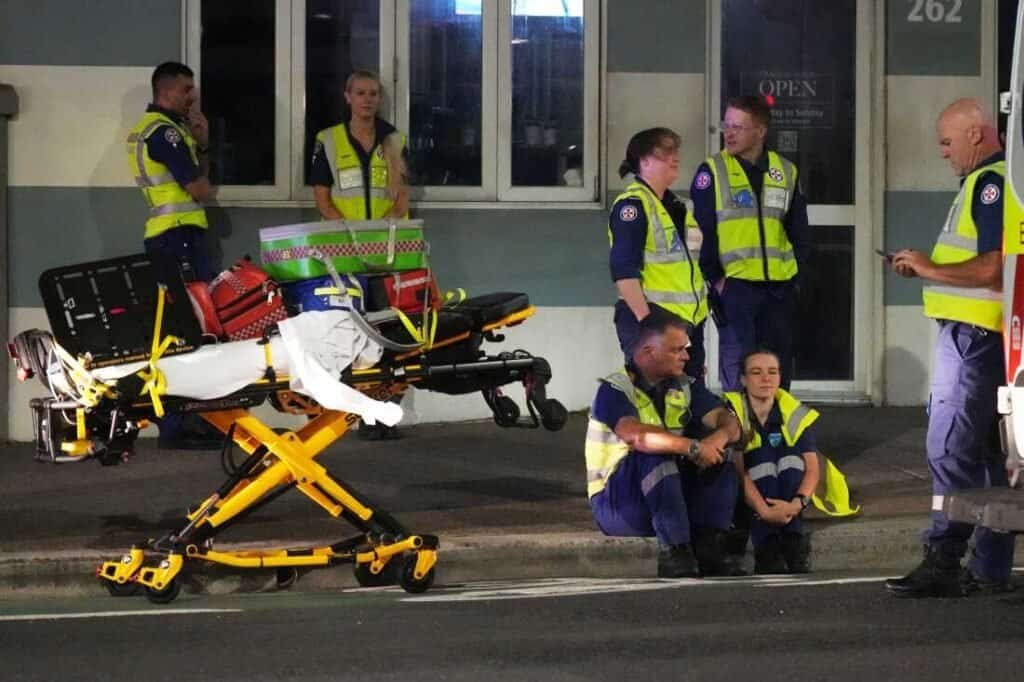
Ambulances transported dozens of wounded victims to St. Vincent’s Hospital, Royal Prince Alfred Hospital, and other trauma centers across Sydney, as neighboring suburbs sent additional medical support.
In the wake of the Bondi Beach Shooting, community leaders are advocating for increased awareness and education about hate crimes.
The Bondi Beach Shooting has reignited a commitment to ensuring safety for all community members during cultural celebrations.
Why This Happened — A Targeted Terror Attack
Australian authorities quickly labeled the Bondi Beach shooting a terrorist attack driven by antisemitic hate. The fact that the attack occurred on the first night of Hanukkah and targeted a Jewish event reinforced this assessment.
Over recent years, there has been a worrying rise in antisemitic incidents across Australia, connected in part to global geopolitical tensions. This horrific shooting has reignited national conversations about hate-motivated violence, community safety, and the protection of minority groups.
Global Reaction and Unity
World leaders and public figures around the globe condemned the attack and expressed sympathy for the victims:
- Australia’s Prime Minister called it an “evil that is beyond comprehension.”
- Jewish organizations worldwide decried the violence against people celebrating their faith.
- Other nations reaffirmed their commitment to unity and opposition to all forms of hate crimes.
Communities in Sydney and beyond have held vigils and rallies in the days following the shooting, emphasizing solidarity, resilience, and the refusal to allow fear to divide people.
Aftermath — What Comes Next?
In the aftermath of the shooting, emergency teams continue their investigation:
- Police are sifting through evidence to determine motives and whether the suspects acted alone or had support.
- Security forces have increased patrols around public events and cultural centers.
- Mental health and support services are being offered to survivors and families of victims.
Bondi Beach itself remains cordoned off as investigators comb the area for clues. The community has been left in mourning, but also determined not to let terror steal the joy and openness that have long defined this iconic Sydney destination.
Final Thoughts: Remembering Bondi Beach
As the community heals from the Bondi Beach Shooting, many are finding strength in unity and resilience.
The Bondi Beach shooting is a stark reminder that violence can strike even the most peaceful places, at the most unexpected moments. But amid heartbreak, there were reminders of courage and unity.
This tragedy has brought attention to the importance of combating hate, protecting communities, and standing together in the face of terror. Bondi Beach may be a place of sand and surf, but the resilience of its people now echoes far beyond Australia’s shores.